FOUNDER INTERVIEW
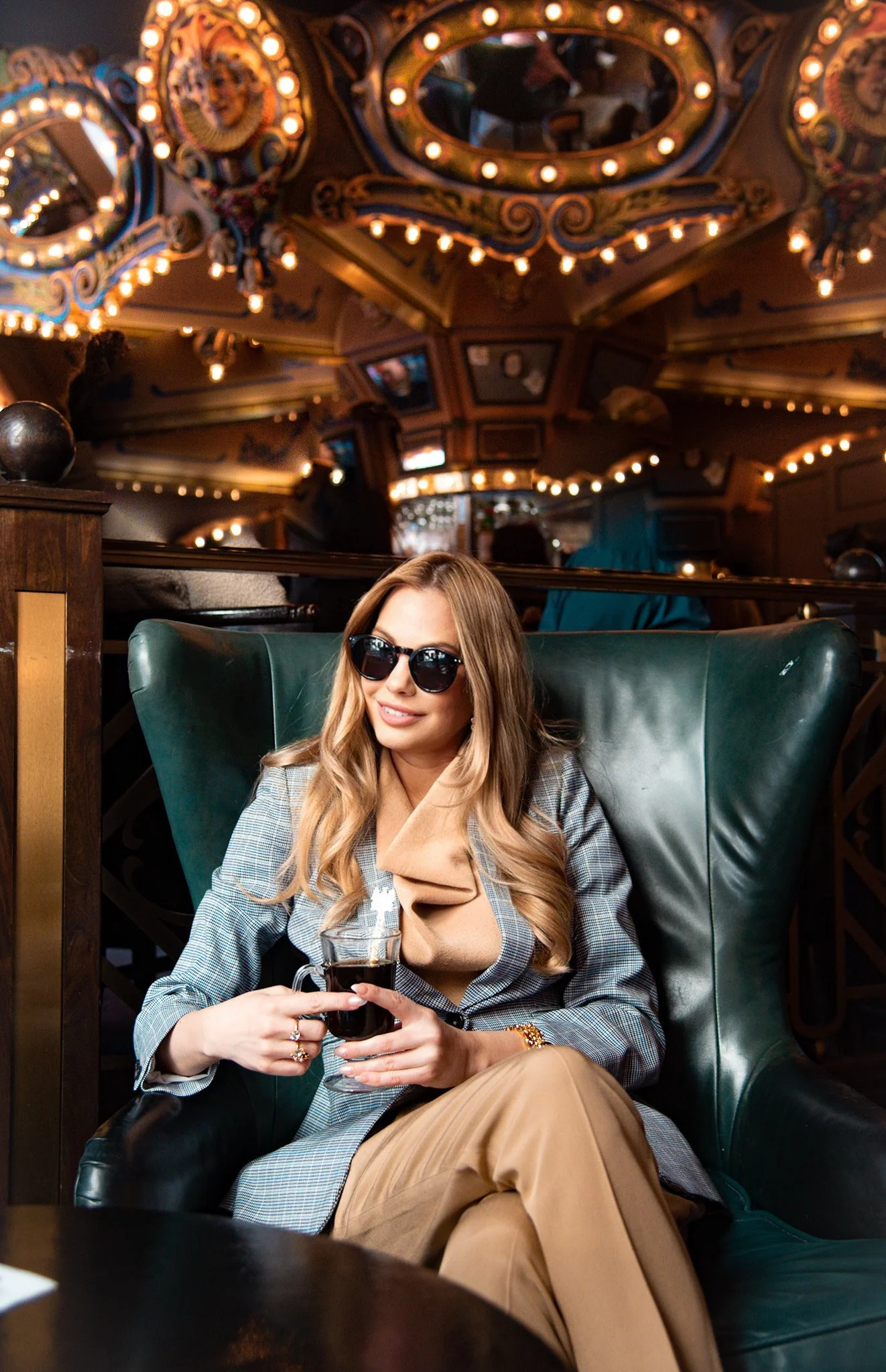
Ashley Lands On How Authenticity and Vulnerability Pay Off and Help You Win Personally and Professionally
Article By: Karen Mangia
Being vulnerable and authentic are some of today’s popular buzzwords. It may seem counterintuitive to be vulnerable, as many of us have been taught to project an air of confidence, be a boss, and act like we know everything. In Brene Brown’s words, “vulnerability takes courage.” So is vulnerability a strength or a weakness? Can someone be authentic without being vulnerable? How can being authentic and vulnerable help someone grow both personally and professionally?
In this interview series, we are talking to business leaders, mental health professionals and business and life coaches who can share stories and examples of “How Authenticity and Vulnerability Pay Off and Help You Win Personally and Professionally.” As a part of this series, I had the pleasure of interviewing Ashley M Lands
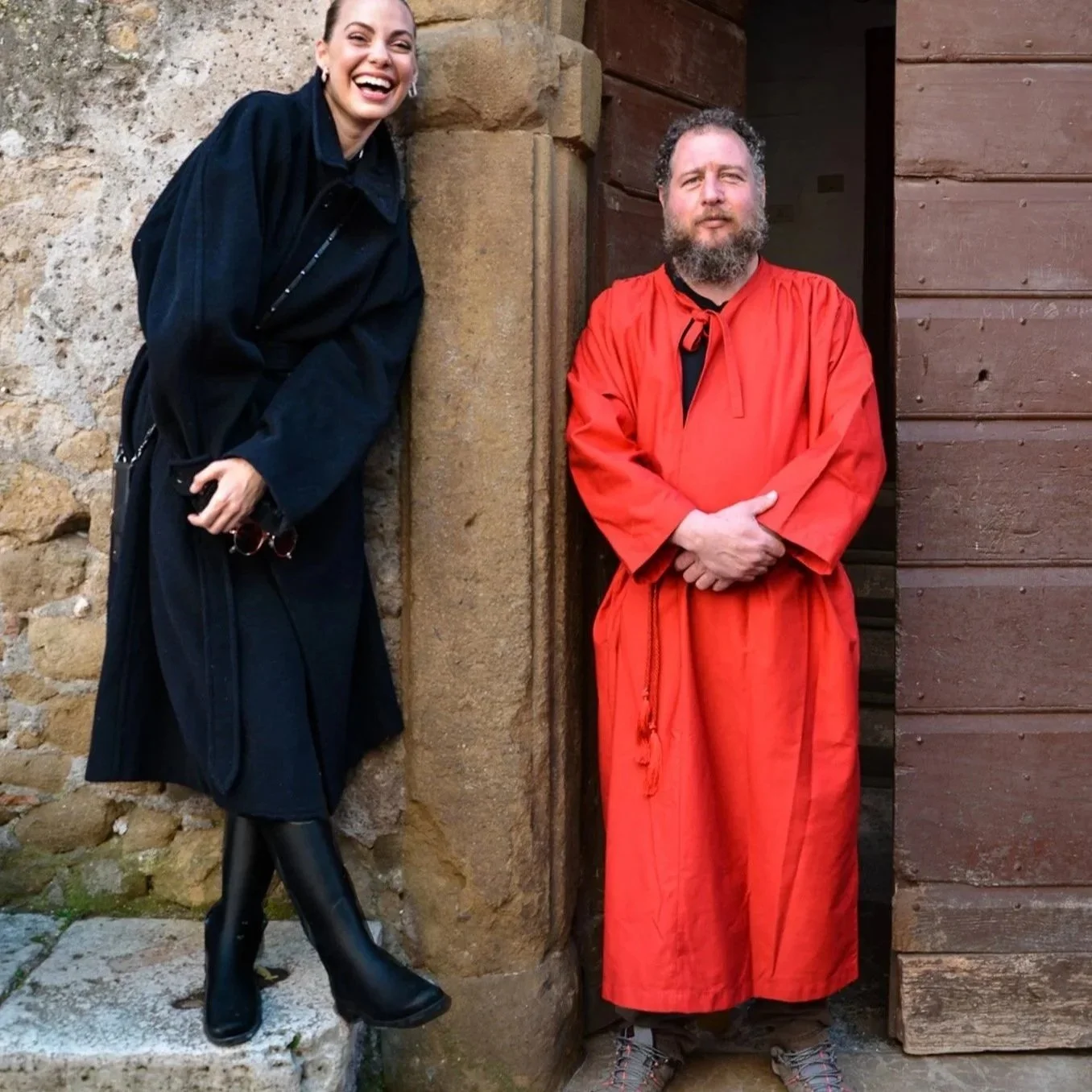
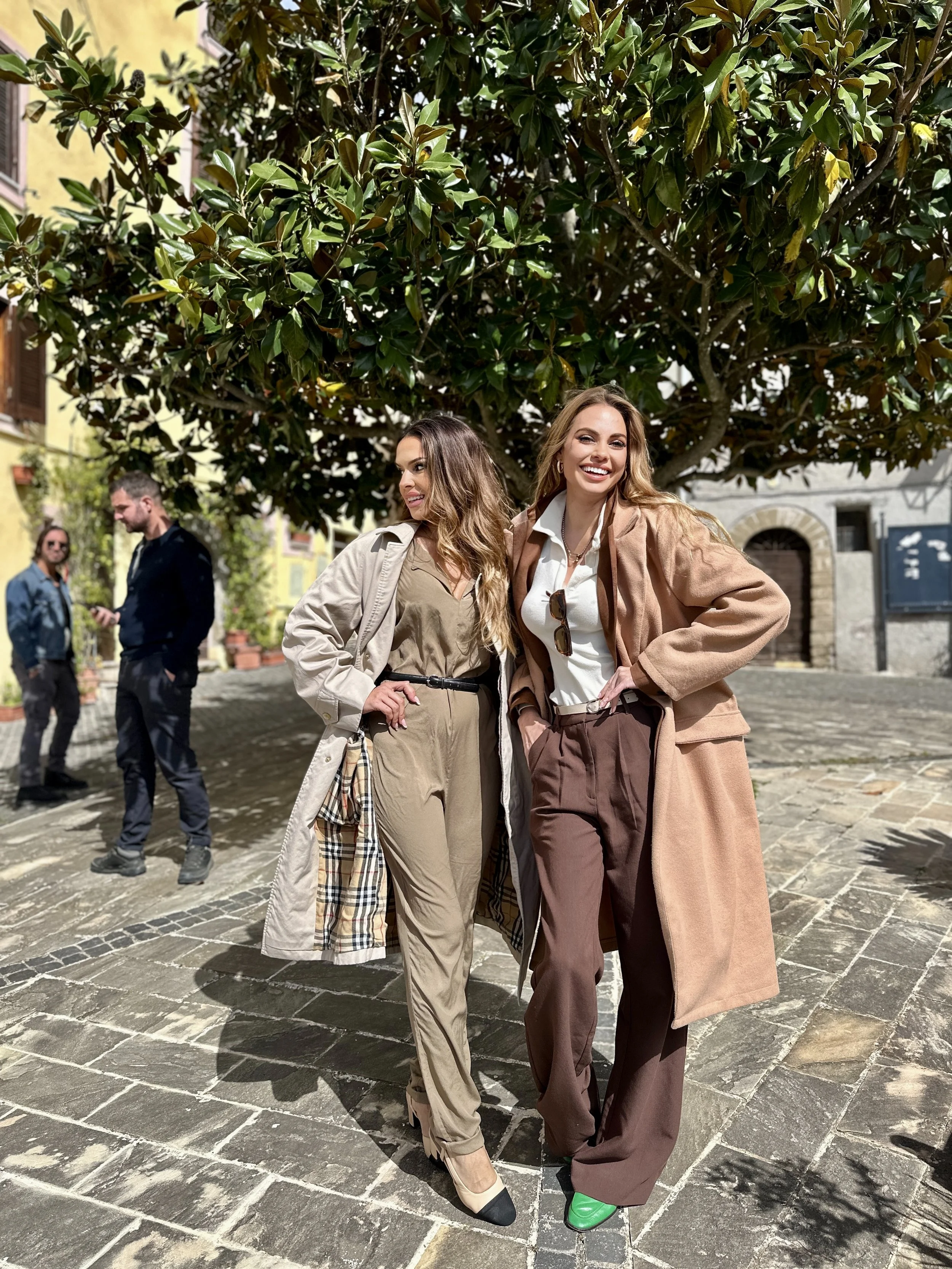
(AML Hospitality). Ashley M. Lands is an innovative entrepreneur who traded the hustle of NYC for the tranquil charm of Italy’s countryside. Additionally, Ashley, the co-founder of Provincial Leisure Magazine, along with her team, meticulously curate upscale guides and travel itineraries, offering privileged insights into the world’s most exclusive destinations, distributed worldwide
In this tiny medieval borgo attached to a castle, Ashley has three properties and one medieval wine cellar — the unlikely collection of spaces that became the birthplace of Lands House & Home. You can view the latest project here
Interview


Thank you so much for doing this with us! Before we start, our readers would love to “get to know you” a bit better. Can you tell us a bit about your childhood backstory?
Growing up as an only child in the bustling metropolitan areas of Texas instilled in me a sense of independence and resilience. Despite the challenges of managing type 1 diabetes since childhood, I’ve been fortunate to have unwavering support from my loving family, which has been my greatest source of strength throughout my journey.
Can you please give us your favorite “Life Lesson Quote”? Can you share how that was relevant to you in your life?
One life lesson quote that has profoundly impacted me is, “Success is not final, failure is not fatal: It is the courage to continue that counts,” by Winston Churchill. This quote has been relevant to me throughout various stages of my life, reminding me to persevere through both successes and setbacks with resilience and determination. It emphasizes the importance of resilience and perseverance in the face of adversity, encouraging me to maintain courage and keep moving forward regardless of the circumstances.
Is there a particular book, podcast, or film that made a significant impact on you? Can you share a story or explain why it resonated with you so much?
One of my favorite books is “Who, not how” by Dan Sullivan and Benjamin Hardy. It stresses finding the right collaborators over trying to tackle tasks alone, highlighting the power of teamwork and leveraging others’ strengths. A friend recommended it, and I’m glad I followed their advice and grabbed a copy — it’s been invaluable in both my personal and professional growth.


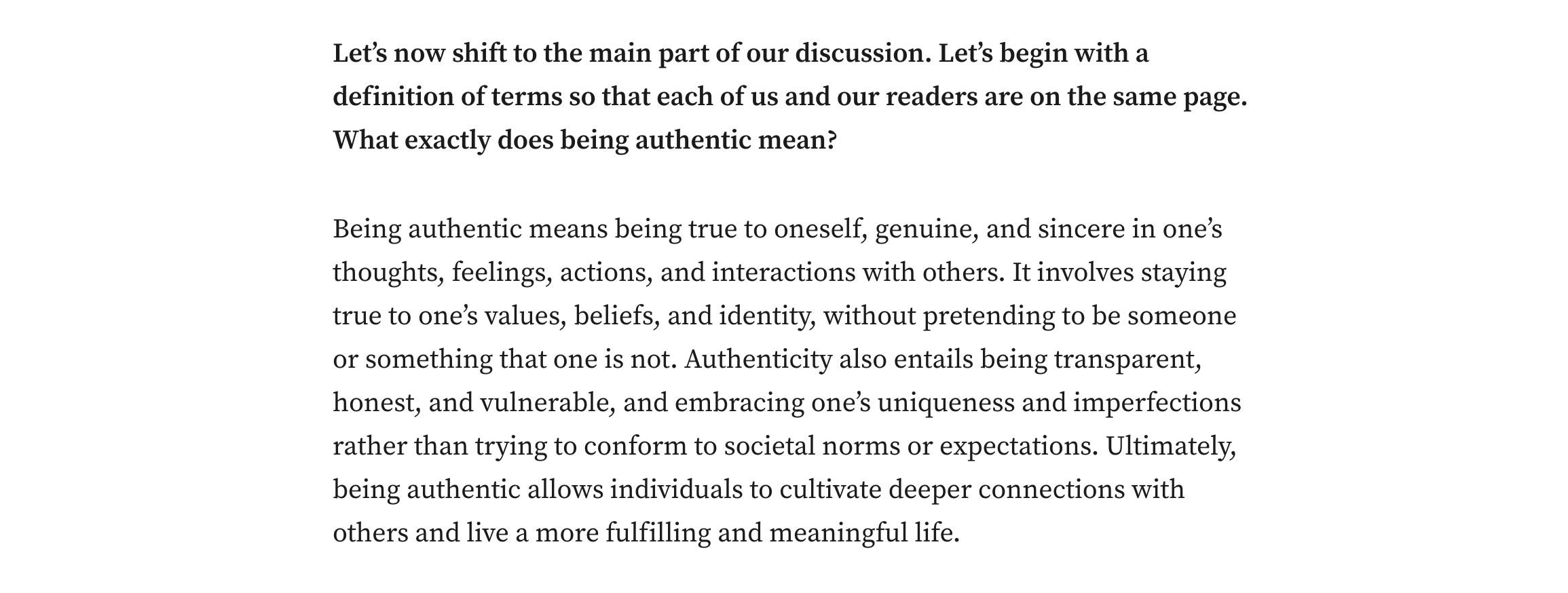
What does being vulnerable mean? Can you explain?
Being vulnerable means allowing oneself to be open, exposed, and emotionally honest, even in the face of uncertainty, risk, or potential rejection. It involves being willing to share one’s feelings, thoughts, and experiences authentically, without hiding behind walls or masks. Vulnerability requires courage and authenticity, as it entails acknowledging and embracing one’s imperfections, fears, and insecurities, and being open to connection, empathy, and intimacy with others. Embracing vulnerability can lead to deeper relationships, personal growth, and a greater sense of authenticity and belonging.
What are the positive aspects of being authentic and vulnerable? Can you give a story or example to explain what you mean?
Being authentic and vulnerable can lead to several positive outcomes, including deeper connections with others, personal growth, and increased self-acceptance.
For example, imagine a scenario where someone is struggling with feelings of inadequacy at work but is hesitant to share their concerns with their colleagues. However, they decide to be authentic and vulnerable by opening up about their struggles during a team meeting. Instead of being met with judgment or criticism, their colleagues respond with empathy, offering support, encouragement, and sharing their own experiences of similar challenges. This act of vulnerability fosters a sense of camaraderie and trust within the team, strengthening their relationships and creating a supportive work environment where individuals feel comfortable being themselves.
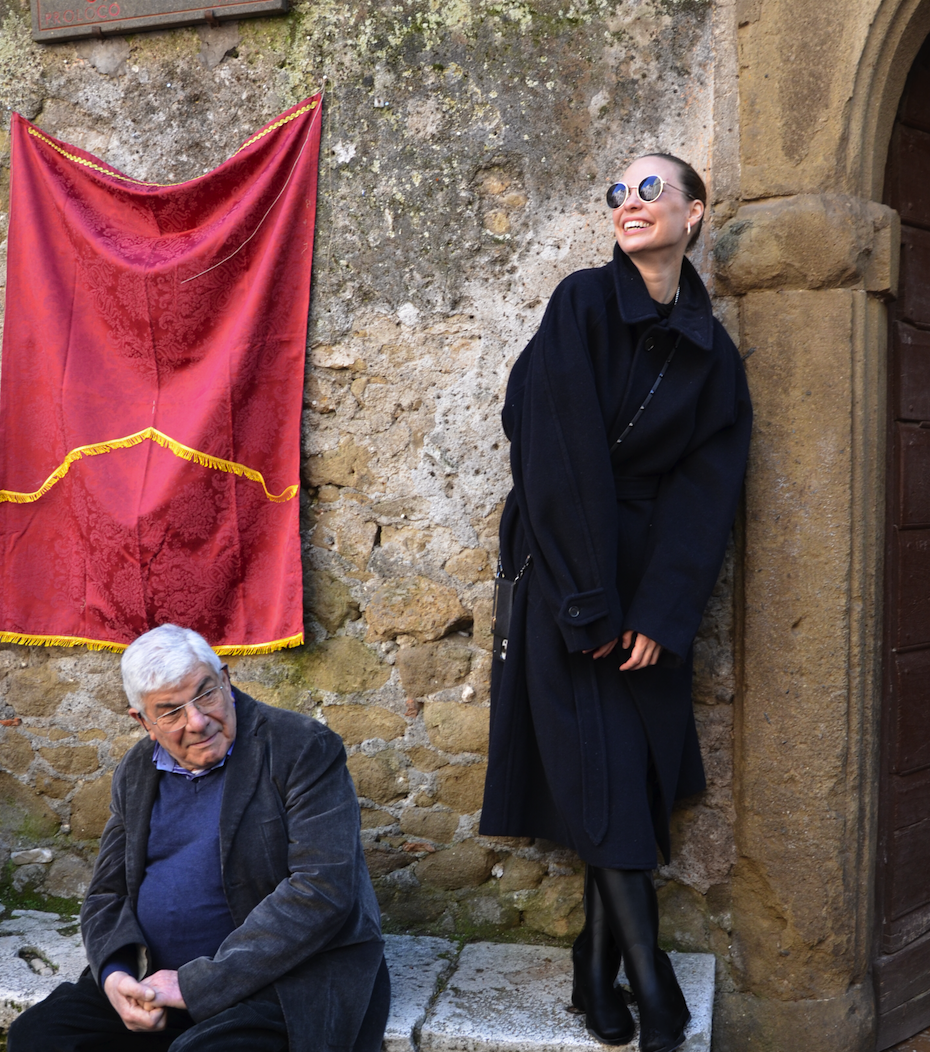
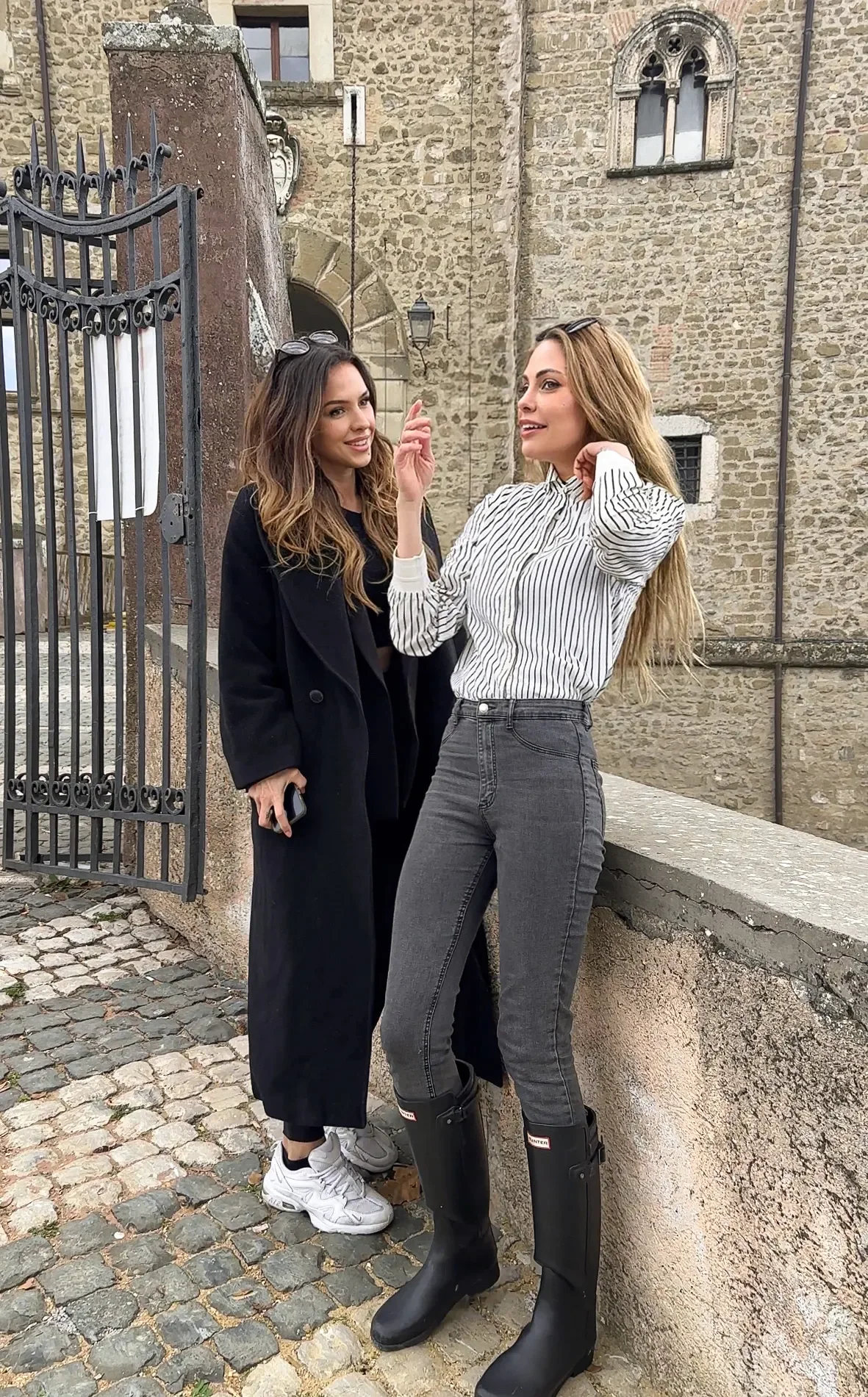
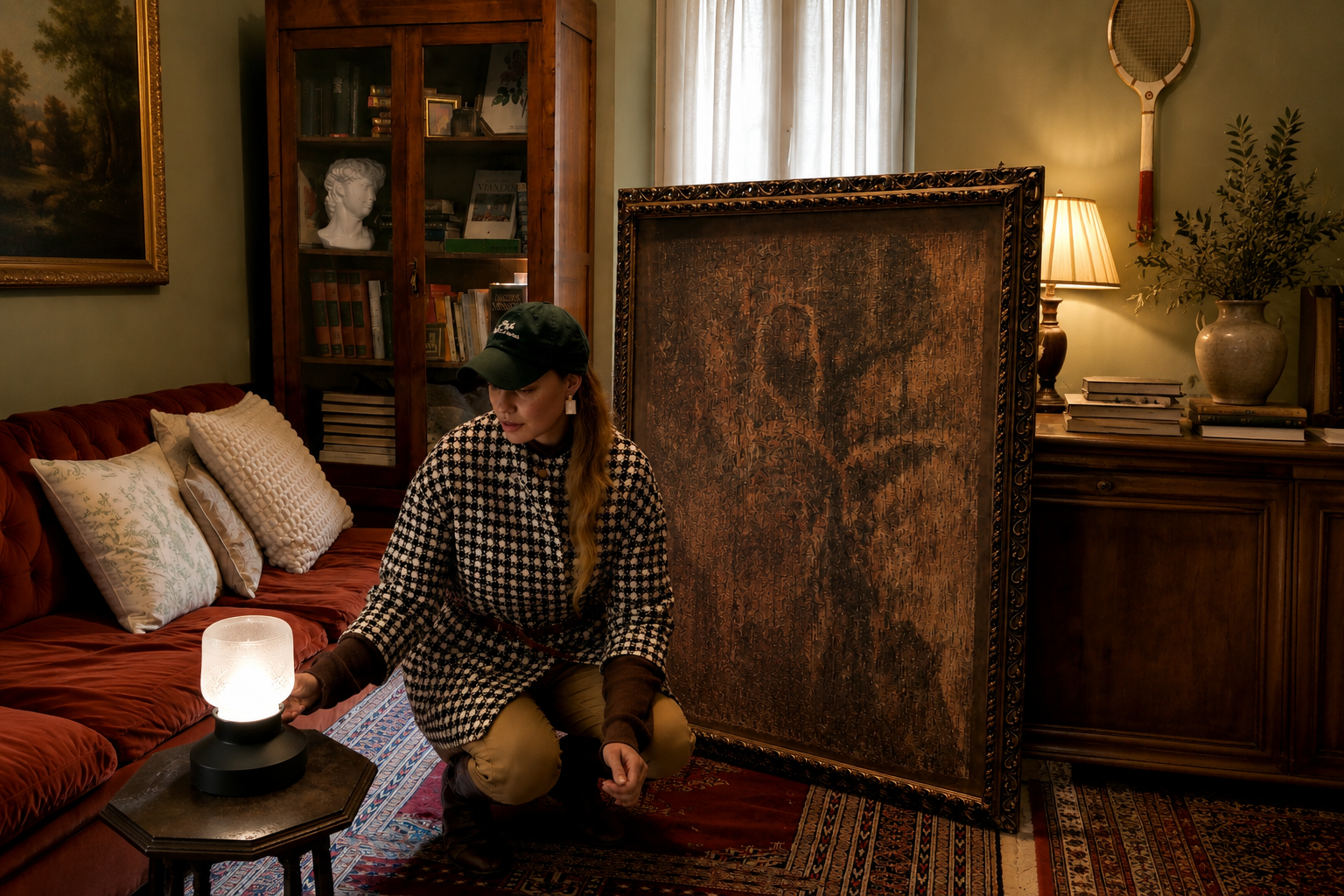

Additionally, being authentic and vulnerable can sometimes leave individuals feeling emotionally exposed and vulnerable to exploitation or manipulation by others. For example, someone might share personal information with a friend or colleague in confidence, only to have that trust violated when the information is used against them in a hurtful or malicious way.Furthermore, in certain environments or cultures where vulnerability is perceived as a weakness rather than a strength, individuals may face social stigma or discrimination for being open about their feelings or struggles, leading to feelings of isolation and alienation.Overall, while authenticity and vulnerability can foster deeper connections and personal growth, it’s important to recognize and consider the potential risks and negative consequences, and to exercise discretion and judgment when deciding how and when to be authentic and vulnerable with others.
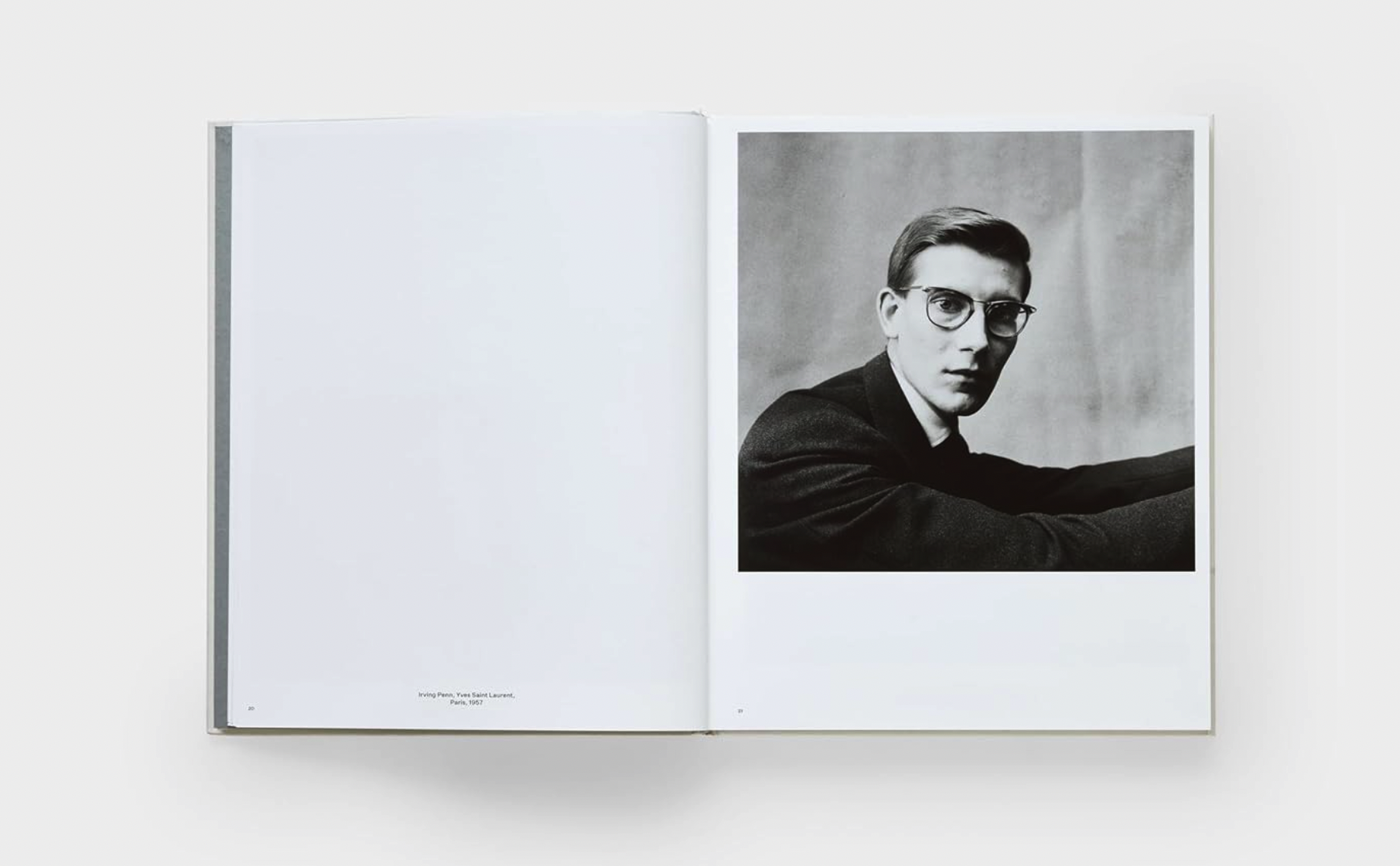
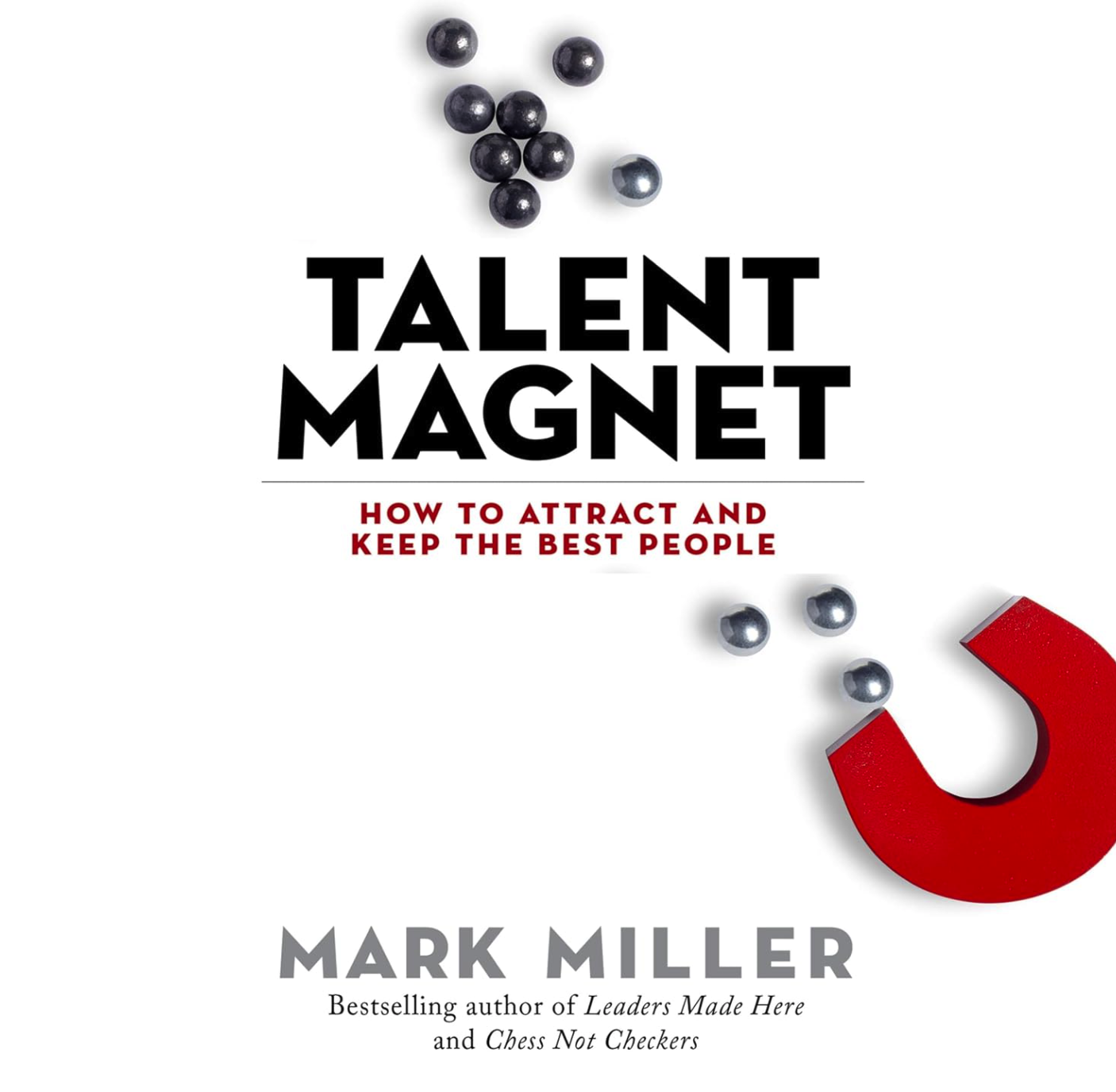
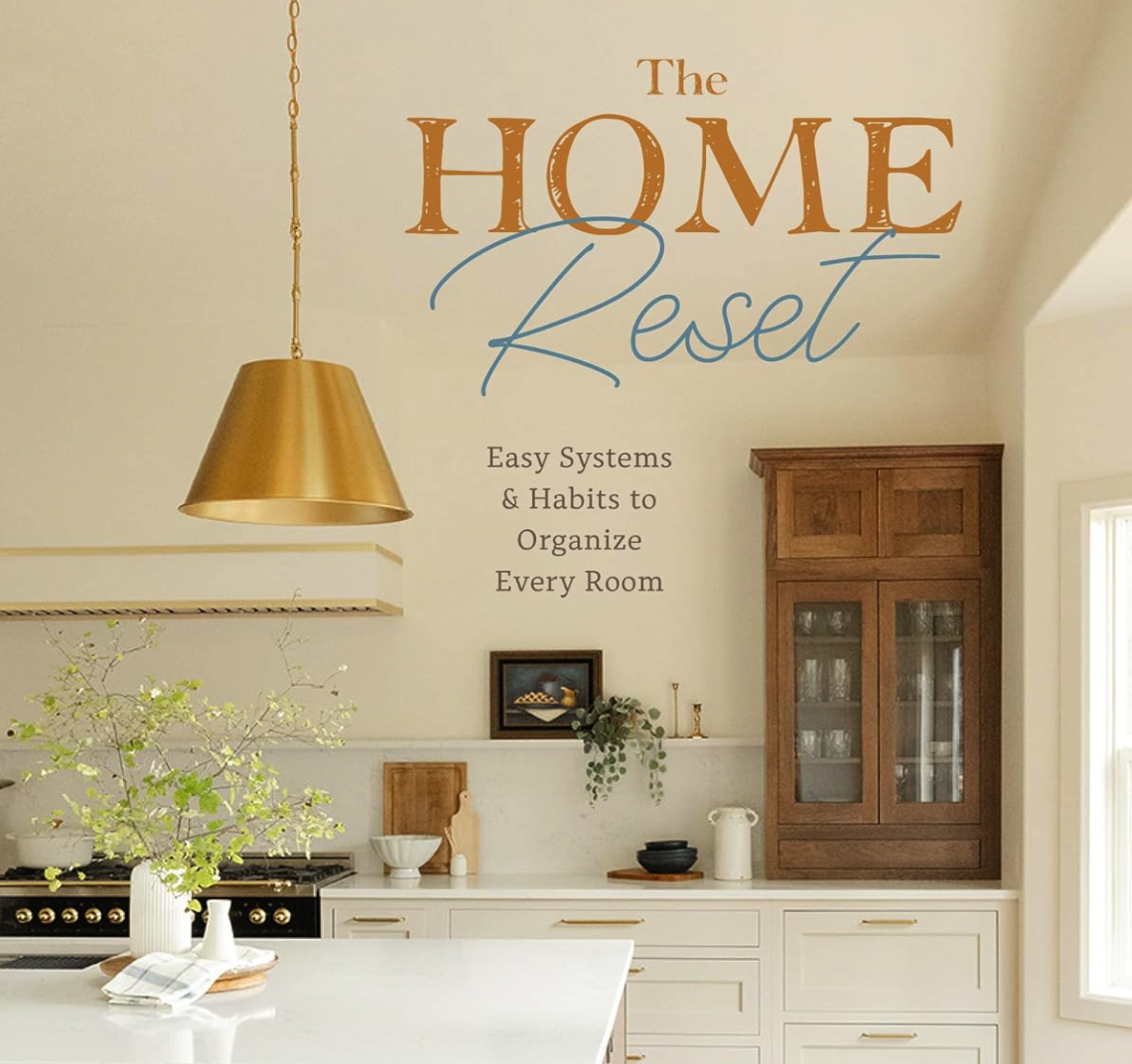
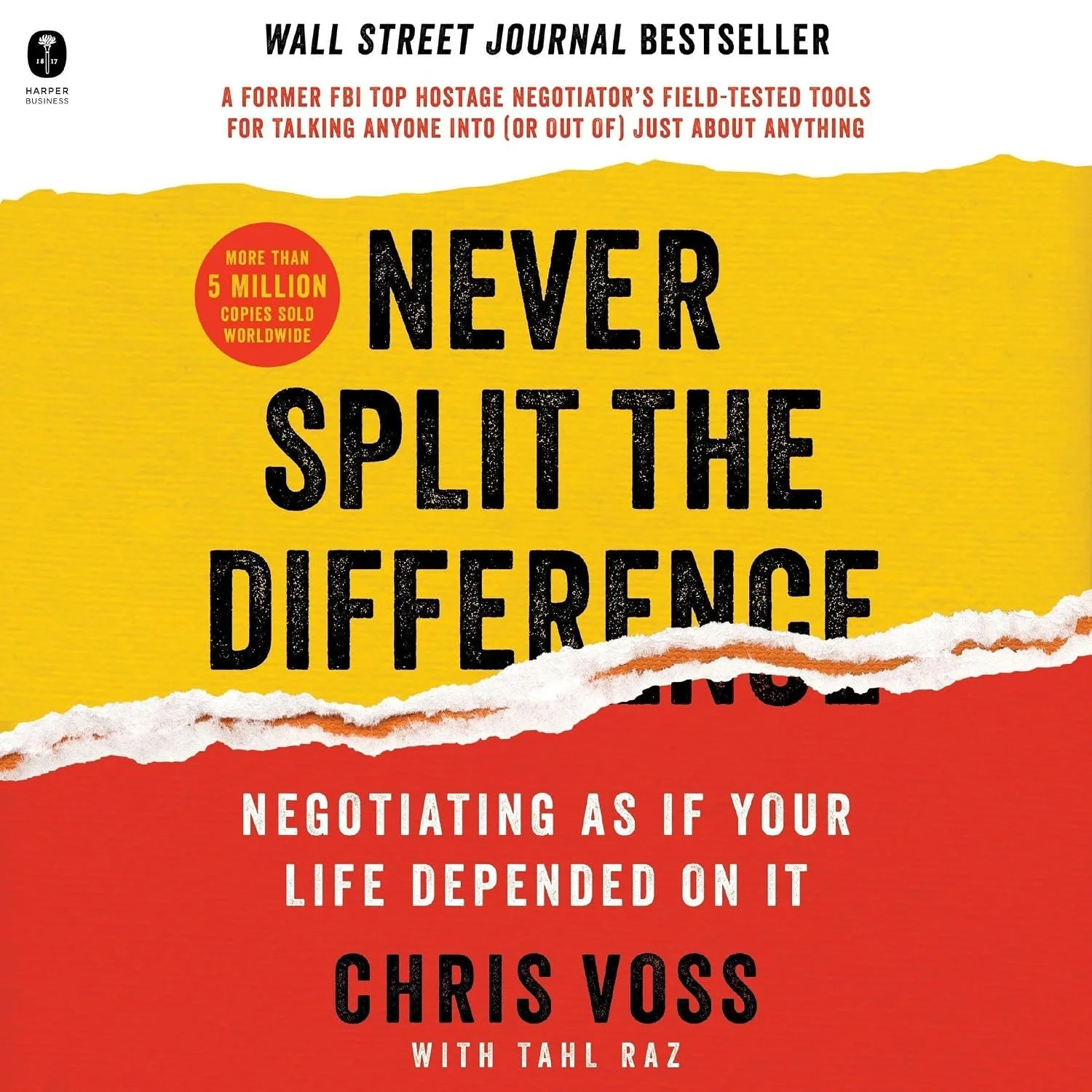
More of Ashley’s Favourite Reads (click any book to read exerpt)

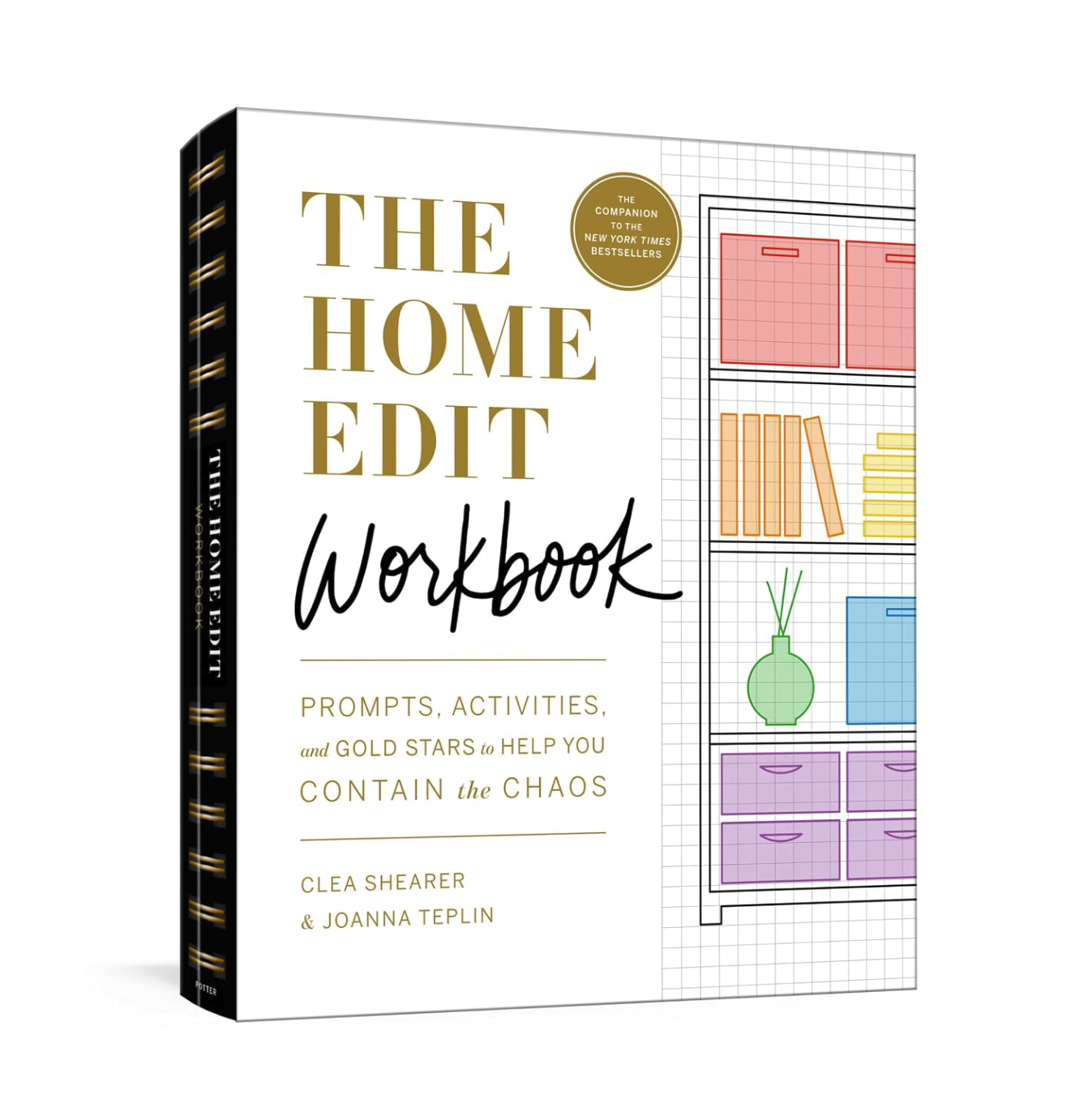
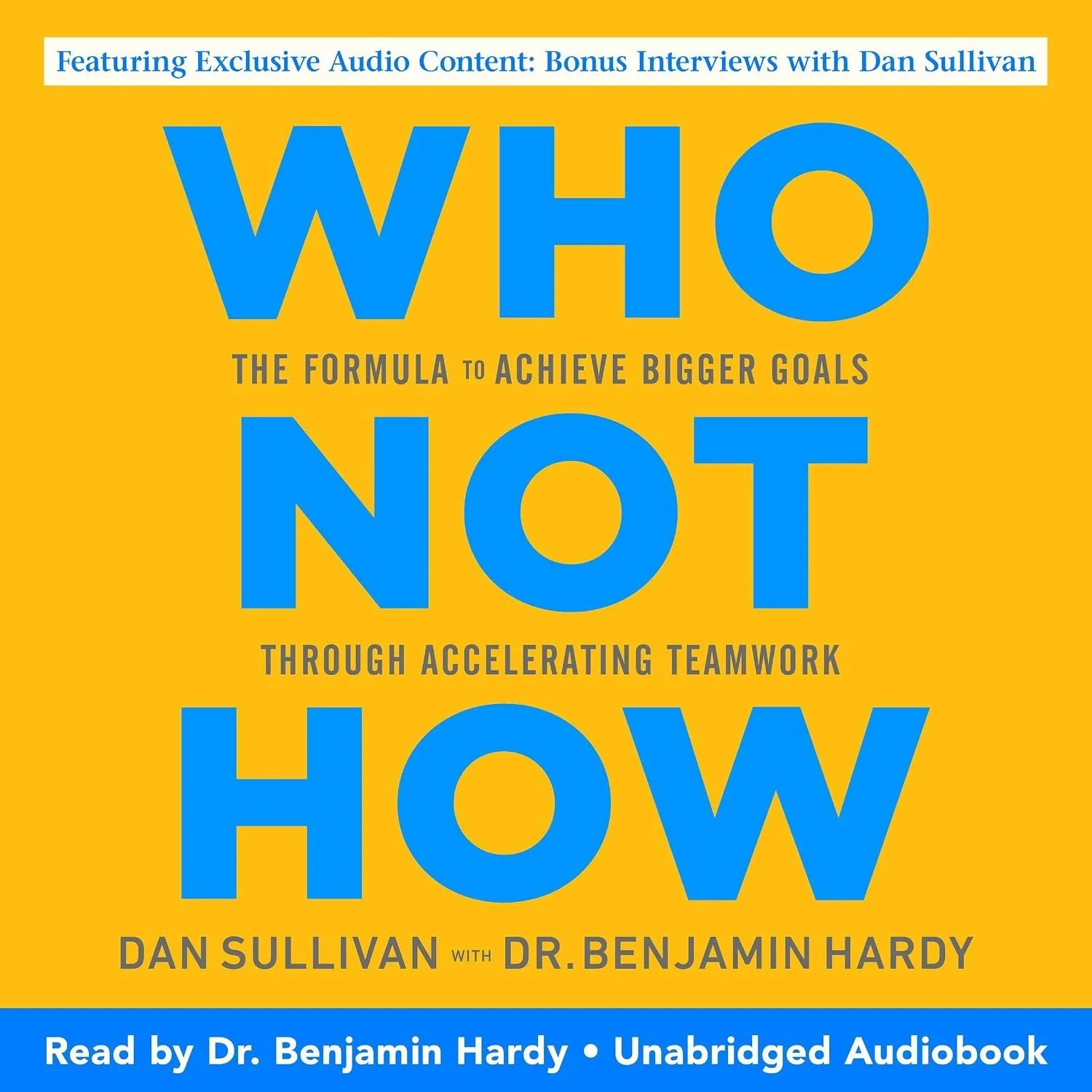
From your experience or perspective, what are some of the common barriers that hold someone back from being authentic and vulnerable?
From my perspective, some common barriers that hold someone back from being authentic and vulnerable include:
Fear of judgment or rejection: Many individuals worry about how others will perceive them if they reveal their true thoughts, feelings, or vulnerabilities. They fear being judged, criticized, or rejected, which can lead them to hide their authentic selves and maintain a façade of perfection or strength.
Social conditioning: Society often promotes ideals of strength, stoicism, and self-reliance, which can discourage individuals from showing vulnerability or expressing their true emotions. Cultural norms and expectations may pressure people to conform to certain standards of behavior, making it challenging to be authentic and vulnerable in fear of being seen as weak or inadequate.
Past experiences of hurt or betrayal: Previous experiences of rejection, betrayal, or emotional trauma can create deep-seated wounds that make it difficult for individuals to trust others and open up about their innermost thoughts and feelings. These past hurts may lead individuals to erect emotional walls or barriers to protect themselves from further pain.
Low self-esteem or self-worth: Individuals who struggle with low self-esteem or feelings of inadequacy may have difficulty accepting and embracing their authentic selves. They may fear that revealing their vulnerabilities will confirm their worst fears about themselves or make them feel even more unworthy of love and acceptance.
Lack of role models or support: Growing up without positive role models or a supportive environment where authenticity and vulnerability are valued can make it challenging for individuals to learn how to express their true selves. Without guidance or encouragement, they may struggle to develop the confidence and skills necessary to be authentic and vulnerable in their relationships.”
Overall, overcoming these barriers often requires self-awareness, courage, and a willingness to challenge societal norms and beliefs about vulnerability. It also involves building trusting relationships with others who can provide support, acceptance, and validation for one’s authentic self-expression.
How can our readers follow you online?
IF YOU’D LIKE TO EXPLORE OUR PROJECTS ONLINE: CLICK HERE
SHOP ASHLEY’S STOREFRONT